
The psychology of gambling: Why we love casinos
The allure of risk and reward
The thrill of risk and the anticipation of reward are central to the psychology of gambling. This excitement can be traced back to our evolutionary history, as humans have always had to make decisions involving risk. In casinos, every roll of the dice or spin of the wheel evokes a surge of adrenaline that can be intoxicating. The prospect of winning a substantial prize often overshadows the reality of the odds, igniting emotions that can lead to prolonged gaming sessions, especially when players engage in popular options like online pokies payid , which enhances their experience. This blend of risk and potential reward keeps players returning for more, captivated by the elusive promise of success.
Moreover, the very nature of gambling invokes a unique psychological phenomenon known as the “near-miss” effect. When players almost win—such as hitting two out of three symbols on a slot machine—they often experience a heightened sense of excitement, which can encourage them to keep playing. This psychological effect creates a cycle where the gambler becomes hooked on the idea of winning, despite the mathematical reality that most players will lose over time. The near-miss not only fuels their hope but also reinforces their commitment to the game, making them more likely to take further risks.
Beyond pure adrenaline, gambling often serves as a social activity that satisfies our intrinsic need for connection. Casinos are designed as vibrant, stimulating environments where people gather to enjoy the thrill of playing games together. The laughter, cheers, and camaraderie present in these spaces enhance the overall experience, making it more pleasurable. The combination of risk, reward, and social interaction plays a significant role in why we are drawn to casinos, transforming gambling from a solitary endeavor into a shared adventure.
The role of sensory stimulation
The design and atmosphere of a casino offer a sensory overload that heightens excitement and engagement. From the vibrant colors of slot machines to the melodious jingles that play upon wins, every element is meticulously crafted to maximize stimulation. This sensory environment captures attention and draws individuals deeper into the gaming experience. The flashing lights and energetic sounds create a euphoric ambiance that can lead to extended play, often causing gamblers to lose track of time. In this immersive environment, players are not just participants; they become part of a spectacle that amplifies their enjoyment.
Furthermore, many casinos strategically employ scents to boost players’ moods and encourage them to stay longer. Studies have shown that pleasant aromas can enhance positive feelings and reinforce the desire to play. This psychological tactic makes visitors more likely to engage in gambling activities, creating an even greater allure for novices and seasoned gamblers alike. The entire casino experience is a carefully orchestrated symphony of sensory elements that keep participants enthralled and invested in the moment.
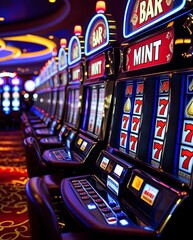
Importantly, this sensory stimulation ties into the principle of escapism. For many, casinos serve as a retreat from daily stressors and challenges. The immersive experience allows individuals to temporarily escape reality, plunging them into a world of possibility and fantasy. This longing to escape can significantly contribute to why people flock to casinos, reinforcing their psychological attachment to gambling. Whether it’s the vibrant atmosphere or the chance to win big, these sensory elements create a compelling reason for individuals to return time and again.
The dopamine effect
The release of dopamine plays a critical role in the psychological appeal of gambling. Dopamine is a neurotransmitter associated with pleasure and reward, released in response to winning, creating a sense of euphoria. When individuals gamble and achieve a win, even a small one, their brains reward them with this chemical surge, making them feel good and reinforcing the behavior. This neurological process explains why many gamblers chase wins, often leading to the pursuit of even greater risks. The thrill of winning, amplified by dopamine, transforms gambling into an exhilarating experience that can be hard to resist.
Moreover, the anticipation of a win can be just as pleasurable as the win itself. Each time players engage in a game, there’s a rush of dopamine in anticipation of the outcome. This rollercoaster of emotions—where hope and excitement intertwine with the possibility of loss—creates a compelling cycle that many find hard to break. The brain’s response to these highs and lows contributes to gambling becoming a captivating yet often dangerous activity. This thrill-seeking behavior highlights the complex relationship between enjoyment and risk in gambling.
It’s essential to recognize that the dopamine-driven thrill of gambling can lead to problematic behaviors. For some, the allure of that next big win can escalate into compulsive gambling, where the brain becomes entrapped in a cycle of chasing after the initial high. Understanding the biological mechanisms behind gambling behavior can provide insights into both its enjoyment and its potential to harm individuals if left unchecked. This awareness is crucial for promoting responsible gaming and for individuals to recognize when their gambling habits may be crossing a line.
The social dynamics of gambling
Gambling is not just a solitary endeavor but a communal experience that fosters social interaction. The social dynamics at play in casinos significantly influence individual behavior, as players often seek connection and validation among peers. This social aspect manifests in games that encourage group participation, like poker, where players compete against one another, sharing moments of victory and defeat. These interactions can enhance the thrill of the game and make the experience much more enjoyable, as shared excitement can amplify personal enjoyment.
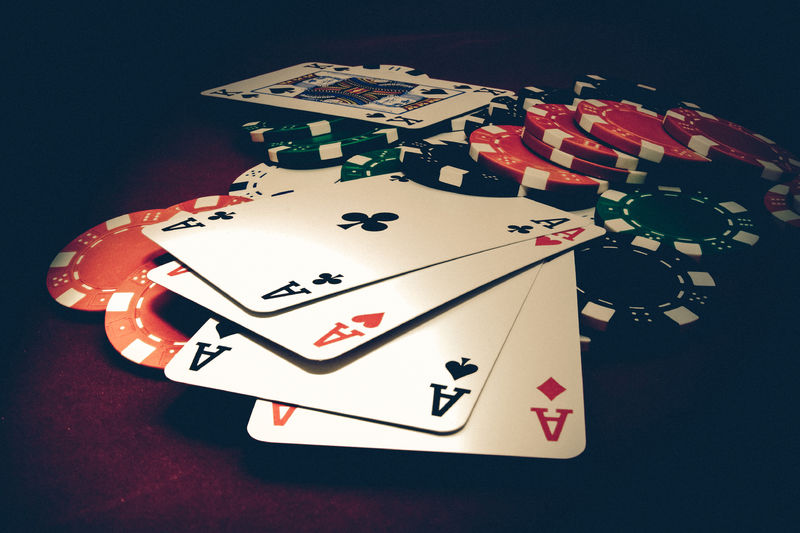
Moreover, the presence of others can create a sense of accountability, even amidst the thrill of gambling. Players may feel inspired or pressured to join in games due to the excitement exhibited by fellow gamblers. This camaraderie can lead to longer gaming sessions and a heightened sense of engagement. The socialization in gambling contexts can sometimes blur the lines between casual play and serious risk-taking, as the collective atmosphere pushes individuals toward more significant bets and riskier behavior. The influence of social dynamics cannot be underestimated in understanding gambling behavior.
Additionally, casinos often host events, tournaments, and promotions designed to bolster the social experience of gambling. These events not only attract newcomers but also encourage seasoned players to congregate, share strategies, and celebrate wins as a community. This sense of belonging can make the casino experience significantly more compelling, reinforcing why many people are drawn to these environments beyond just the games themselves. The social fabric woven within casinos enhances the allure, making it an integral part of why gambling is so appealing.
The website dedicated to gambling insights
For those seeking to delve deeper into the psychology of gambling and its multifaceted appeal, dedicated websites provide a wealth of information on strategies, trends, and the science behind gambling behaviors. These platforms are designed to educate players about responsible gaming while exploring the emotional and psychological aspects that contribute to the allure of casinos. Through articles, research studies, and expert insights, individuals can gain a well-rounded understanding of the gambling landscape, empowering them to make informed decisions.
Additionally, such websites often feature discussion forums where players can connect, share experiences, and seek advice from one another. This digital community aspect mirrors the social dynamics present in physical casinos, allowing for an exchange of knowledge and strategies among enthusiasts. Engaging in these communities can further enhance the enjoyment of gambling while also emphasizing the importance of responsible behavior. The interactions online can help individuals navigate their gambling experiences with greater awareness.
In conclusion, as fascinating as the psychology of gambling may be, it ultimately highlights the need for awareness and education. Understanding the various factors at play—from sensory experiences to social dynamics—can empower individuals to make informed decisions that enhance their enjoyment while minimizing potential risks. Through the resources offered by dedicated gambling insights platforms, players can find a balanced approach to the thrill of casinos, ensuring that their experiences are both enjoyable and responsible. The journey into the world of gambling can be an enlightening one, provided it is approached with understanding and caution.