
The psychology of gambling: Why do we play?
The allure of risk-taking
The psychology behind gambling is deeply intertwined with the allure of risk-taking, which attracts individuals from various backgrounds. The thrill associated with placing a bet and awaiting the outcome triggers a surge of adrenaline, evoking excitement and anticipation. This biological response is a fundamental aspect of human psychology; we are inherently drawn to activities that offer the promise of reward, despite the risks involved, such as betting on various casino games. For many, the act of gambling becomes a temporary escape from the monotony of daily life, offering a unique sense of agency and control.
Risk-taking behavior in gambling is often linked to certain personality traits, such as extroversion and sensation-seeking. These traits compel individuals to pursue novel experiences, and gambling provides an avenue for this pursuit. The unpredictability of outcomes, coupled with the potential for significant rewards, creates an environment where the stakes feel elevated. This heightened sense of thrill can lead to a cycle of repeated engagement, where individuals find it increasingly difficult to resist the temptation to play again. This phenomenon is particularly evident in settings specifically designed to amplify excitement, such as gaming establishments and online platforms.
The social dynamics surrounding gambling further enhance its attractiveness. Many individuals engage in betting activities not solely for financial gain but also for the camaraderie and shared experiences that come with it. The bonds formed during these gambling events can solidify a person’s commitment to the activity, making it a socially acceptable form of entertainment. This communal aspect feeds into the psychological craving for both risk and reward, reinforcing the desire to participate regularly in gambling activities.
The role of cognitive biases
Cognitive biases significantly impact gambling behavior, shaping how individuals perceive their chances of winning. One notable example is the illusion of control, wherein gamblers mistakenly believe they can influence outcomes through their actions or strategies, even in games governed entirely by chance. This misplaced confidence can perpetuate continued investment in gambling, despite the overwhelming evidence that luck plays a central role in determining results. Gamblers often cling to this belief, which only fuels their desire to engage further, convinced that they can outsmart the odds.
Another common cognitive bias is the gambler’s fallacy, which is the belief that previous outcomes affect future results in random events. For instance, someone might assume that if a particular slot machine hasn’t paid out for a while, it is “due” for a win. This erroneous thinking can lead to irrational betting strategies and prolong engagement in gambling activities, as players chase the elusive “big win.” Such biases are often exacerbated by the carefully curated environments of casinos and online betting platforms, designed to keep players enthralled and betting.
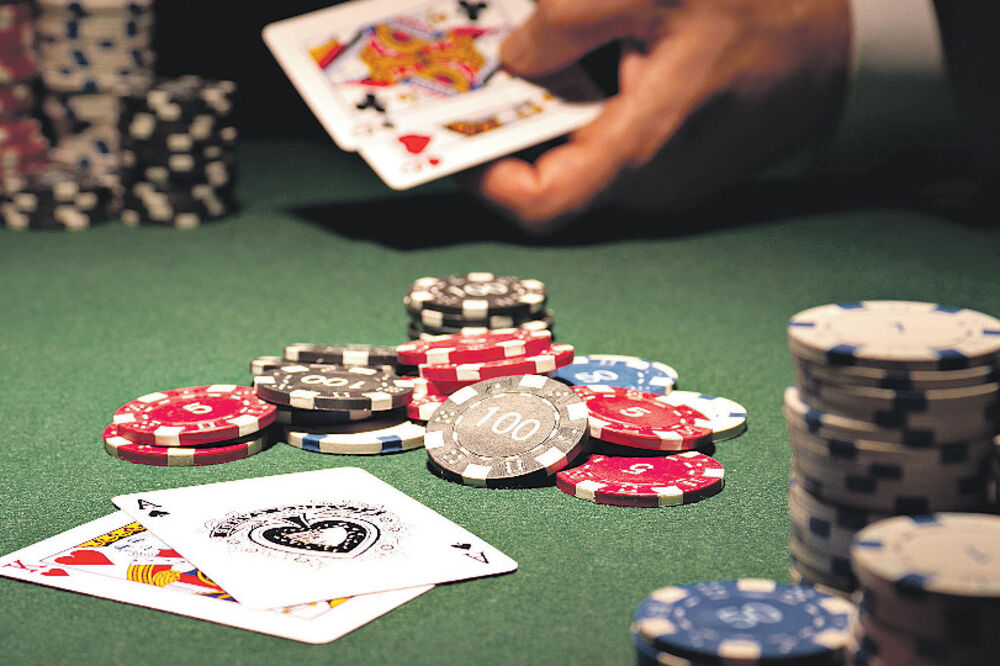
Understanding these cognitive biases provides crucial insights into why many continue gambling, even in the face of losses. The brain’s reward system can become hijacked, where even infrequent wins offer a euphoric rush akin to substance use. This creates a cycle where gamblers tend to overlook negative experiences and focus on the emotional highs of their victories, reinforcing their commitment to gambling, regardless of their financial situation.
The impact of emotional factors
Emotional factors play a pivotal role in shaping why individuals engage in gambling activities. Many people turn to gambling as a coping mechanism for stress, anxiety, or depression. The temporary escape that gambling offers allows individuals to channel their negative emotions into what feels like a rewarding experience, creating a false sense of control over their circumstances. This reliance on gambling for emotional relief can become problematic, especially when it becomes intertwined with a person’s mental health struggles.
The phenomenon of “chasing losses” exemplifies the emotional entrapment often associated with gambling. When players experience losses, their instinct may be to gamble more in an attempt to recover what they’ve lost. This behavior is fueled by desperation and the belief that luck will eventually turn in their favor. Unfortunately, this often leads to a downward spiral, where players face increasingly severe financial difficulties due to poor decisions driven by their emotions.
Moreover, the euphoric feeling that accompanies a win can be addictive. The rush of success feeds into their self-esteem and reinforces the desire to gamble again in pursuit of that high. As a result, the interplay between emotional states and gambling creates a vicious cycle that can be challenging to break, as the initial feelings of joy are frequently overshadowed by guilt and regret after subsequent losses.
The influence of environment and social factors
The environment in which gambling occurs plays a significant role in shaping individuals’ attitudes and behaviors towards it. Casinos, for instance, are meticulously designed to create an immersive experience that captivates the senses, utilizing vibrant colors, enticing sounds, and strategic layouts to promote prolonged play. This sensory overload can distort gamblers’ perceptions of time, causing them to lose track of both their spending and the time they devote to gambling. These environments cultivate a culture of gambling that encourages individuals to bet more freely due to their physical surroundings.

Social influences also bear a considerable impact on gambling behaviors. Whether through peer pressure or cultural norms, individuals often find themselves engaging in gambling activities due to the expectations set by their social circles. In cultures where gambling is celebrated or glamorized, it is often viewed as a fun pastime rather than a potential risk for addiction. These social factors can diminish personal accountability, making it easier for individuals to justify their gambling habits.
Conversely, support networks can help mitigate the negative impacts associated with gambling. Community groups and support systems can provide individuals with the resources they need to navigate their gambling habits. These social structures foster a sense of belonging and understanding, contributing to healthier attitudes toward risk and gambling behavior. Recognizing the dual influence of social factors is crucial for addressing problem gambling and promoting a more balanced perspective on gaming activities.
Exploring the website’s resources
For those seeking deeper insights into the psychology of gambling and its implications, the website offers a comprehensive array of resources. Designed to provide valuable information regarding gambling behaviors, cognitive biases, and emotional influences, the platform presents expert articles, research studies, and personal narratives to help individuals develop a well-rounded understanding of how gambling impacts mental and emotional health.
The website emphasizes the importance of responsible gambling practices, offering guidance on maintaining a healthy relationship with gambling. It includes practical tips for setting limits, recognizing warning signs of problem gambling, and seeking help when necessary. By equipping users with knowledge and tools, the website aims to foster a more informed and conscious gambling culture, encouraging individuals to engage in gambling activities responsibly.
Ultimately, understanding the psychological aspects of gambling empowers individuals to make informed choices, leading to healthier experiences with gaming. The resources available on the site are invaluable for anyone looking to explore the complexities of gambling and its effects on mental well-being, promoting proactive engagement with one’s gambling habits.